Trees add natural beauty, shade, and value to your property—but when a tree becomes unsafe, it can quickly turn from an asset into a liability. Knowing when to schedule a professional tree removal service is crucial for protecting your home, your family, and your landscape. Some warning signs are obvious, while others are easy to miss unless you know what to look for. In this article, we break down the most important indicators that a tree has become a risk and explain why timely removal is often the safest choice.
1. The Tree Shows Significant Structural Damage
One of the clearest signs that it may be time for tree removal is visible structural damage. Deep cracks, large cavities, and splits in the trunk or major branches indicate a weakened structure that may not withstand strong winds or storms. Even if the tree appears stable, internal decay can make it unpredictable and dangerous.
If you notice mushrooms growing around the base of the tree, soft or crumbly wood, or hollow areas in the trunk, it may be suffering from advanced decay. These issues compromise the tree’s ability to support its own weight and dramatically increase the risk of failure.
2. The Tree Is Leaning or Losing Stability
A slight natural lean is common, but a sudden or worsening lean may be a sign of root failure or shifting soil. If a tree begins leaning toward your home, driveway, play area, or another high-traffic space, it’s especially important to call a professional tree removal service right away. Leaning trees can fall without warning, causing major damage and creating a serious safety hazard.
A certified arborist can assess whether the lean is stable or if the tree is at risk of uprooting. In many cases, removal is the safest option to prevent damage during storms or high winds.
3. The Roots Are Damaged or Exposed
Healthy roots are the foundation of a stable tree. When roots become damaged, diseased, or exposed, the entire tree becomes vulnerable. Root issues can be caused by construction work, soil erosion, fungus, or compacted soil. Because roots anchor the tree in place, significant damage can lead to leaning, instability, or sudden collapse.
If you see heaving soil, fungus growth near the roots, or large visible roots that appear dried or decayed, it could be a sign that the tree is losing its structural integrity. Root problems often require immediate attention and can make tree removal the safest solution.
4. The Tree Is Dead or in Severe Decline
Dead or dying trees pose a major risk because they can drop limbs unexpectedly or fall without much force. Even if a tree is only partially dead, the weakened branches can snap and create a hazard during storms or on windy days.
Signs of decline include:
-
Sparse or discolored leaves
-
Brittle branches
-
Large amounts of deadwood
-
Peeling or missing bark
-
Minimal new growth
A tree in decline may be saved with proper care, but when more than half the canopy is dead or diseased, removal is usually the safest and most cost-effective option.
5. The Tree Is Too Close to Structures or Utilities
When a tree grows too close to your home, driveway, fence, or power lines, it can create long-term problems. Overhanging branches may scrape your roof, drop debris into gutters, or damage siding. Large roots can invade plumbing lines, crack sidewalks, or damage your foundation.
Tree removal may be necessary when a tree’s size or placement becomes incompatible with the surrounding structures. Removing the tree before it causes damage can save you from expensive repairs later.
6. The Tree Has Become a Storm Hazard
Storm-damaged trees are among the most common reasons homeowners seek tree removal services. High winds, ice storms, and lightning strikes can weaken or split branches, leaving the tree vulnerable to future failure.
If you see hanging limbs, broken branches, or a cracked trunk after a storm, call a tree care professional right away. A damaged tree can be unpredictable, and removal may be needed to prevent future hazards.
7. An Arborist Recommends Removal
Sometimes the safest option is to trust the opinion of a certified arborist. Arborists can diagnose hidden issues such as internal decay, pest infestations, and structural weaknesses that are not obvious to homeowners. If an arborist recommends tree removal due to safety concerns, it’s wise to take the recommendation seriously.
Professional tree removal ensures the job is done safely and efficiently, especially when dealing with large trees, tight spaces, or dangerous structural conditions.
Frequently Asked Questions About Tree Removal
1. How do I know for sure if a tree needs to be removed?
A certified arborist can evaluate the tree’s overall health, structural stability, and potential risks. If the tree poses a safety hazard or shows signs of advanced decay, removal is generally recommended.
2. Can a dying tree be saved instead of removed?
Sometimes. If the issue is caught early—such as pests, minor disease, or nutrient deficiencies—treatment may help. However, trees with severe decay, large dead sections, or structural failure often require removal.
3. How much does tree removal typically cost?
Costs vary depending on the tree’s height, condition, location, and the difficulty of the job. Trees near homes, fences, or power lines may require specialized equipment, which can affect pricing.
4. Is it safe to remove a tree myself?
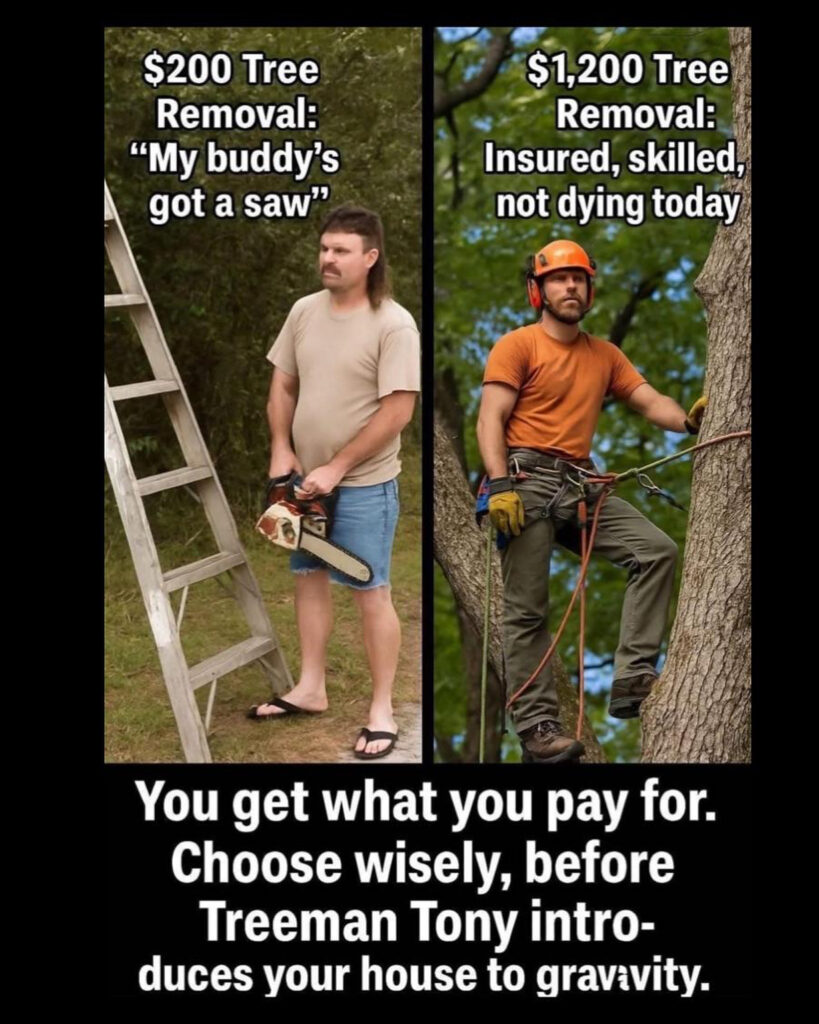
Tree removal is extremely dangerous without proper training and equipment. For safety, it’s always best to hire a professional tree removal service.
5. What happens to the tree after it’s removed?
Most companies offer options such as hauling away debris, cutting the wood into firewood, or grinding the stump. Be sure to ask what services are included.
Learn more about MTM Tree Services in Charlotte, NC.