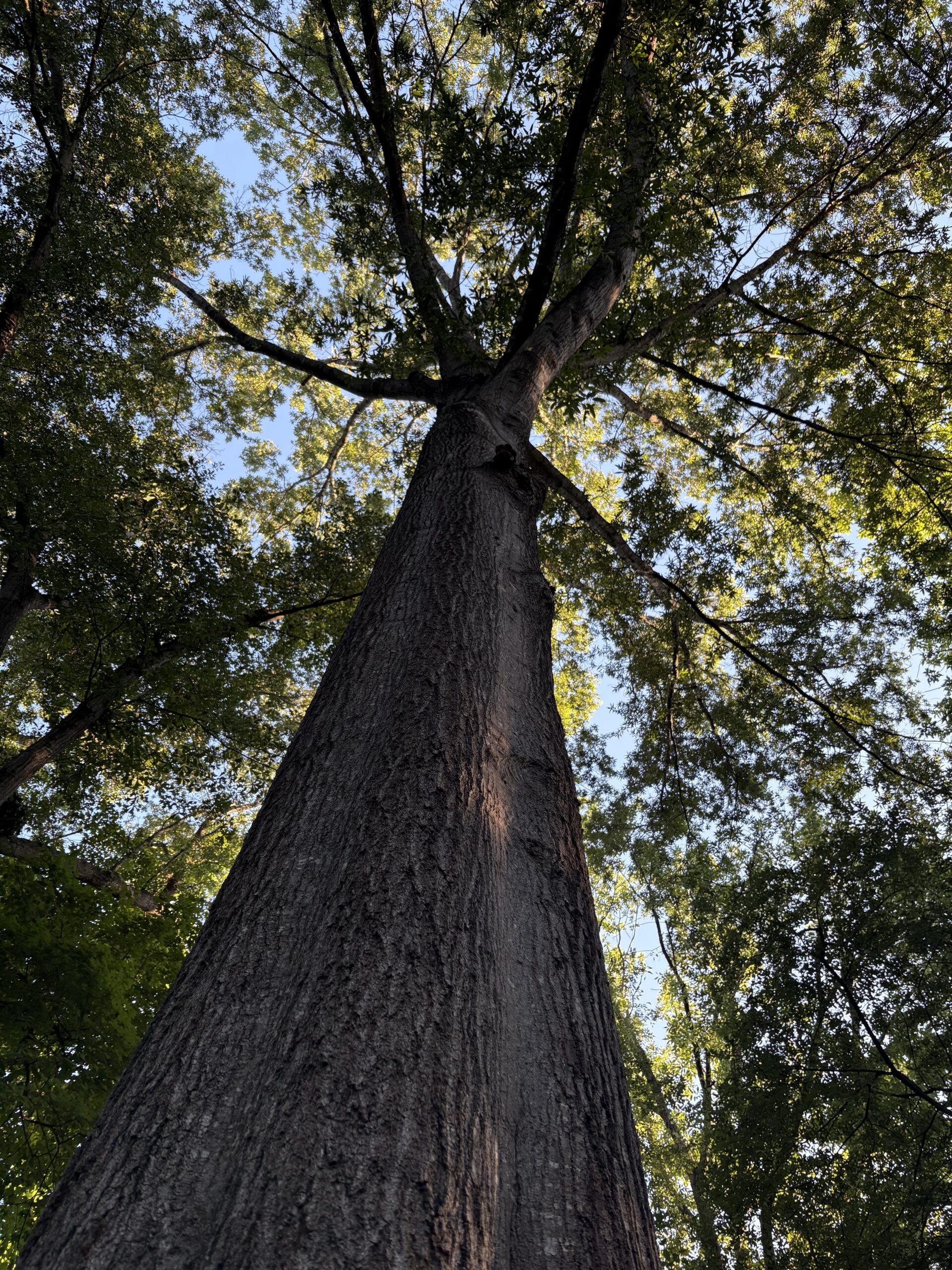
Many homeowners use the terms tree pruning and tree trimming interchangeably, but they actually serve different purposes. Understanding the difference can help you make better decisions for your trees, your property, and your long-term maintenance budget.
What Is Tree Pruning?
Tree pruning focuses on the health, structure, and long-term development of the tree. The goal is to improve the tree itself rather than solve a specific property-related issue.
Professional pruning can:
- Remove dead, dying, or diseased branches
- Improve tree structure
- Reduce the risk of branch failures
- Encourage healthy growth
- Improve air circulation and light penetration
- Extend the life of the tree
Common Types of Tree Pruning
Deadwood Pruning
Deadwood pruning removes dead branches throughout the canopy. This is one of the most common pruning services and helps reduce the likelihood of dead limbs falling during storms or windy conditions.
Crown Reduction
Crown reduction decreases the size of a tree’s canopy by selectively shortening branches back to appropriate growth points. This technique is often used when a tree has outgrown its space or when specific limbs are becoming too large.
Structural Pruning
Structural pruning focuses on developing strong branch architecture, especially in younger trees. The goal is to reduce future defects and create a stronger, safer tree.
Crown Cleaning
Crown cleaning removes dead, dying, diseased, broken, and crossing branches. It improves the overall health and appearance of the tree.
Crown Thinning
Crown thinning selectively removes smaller branches to improve airflow and light penetration while maintaining the tree’s natural shape.
Clearance Pruning
While often associated with trimming, clearance pruning can also be performed as part of a pruning program when branches interfere with roads, sidewalks, signs, or structures.
What Is Tree Trimming?
Tree trimming is generally performed to meet a homeowner’s objective rather than the tree’s biological needs.
Common trimming goals include:
- Keeping limbs away from a house
- Creating clearance over a driveway
- Keeping branches away from a roof
- Preventing limbs from rubbing structures
- Improving views
- Increasing sunlight in a yard
- Maintaining access around the property
In other words, trimming helps people and trees coexist in the same space.
A homeowner may love their mature oak tree but not want branches touching the roof during storms. Trimming those limbs solves a property concern, even if the tree itself doesn’t necessarily need pruning for health reasons.
Pruning and Trimming Often Overlap
In reality, many tree services involve both pruning and trimming.
For example, a homeowner may want:
- Deadwood removed for safety (pruning)
- Branches pulled back from the roof (trimming)
- Improved structure in a heavy limb over the driveway (pruning)
A qualified arborist or tree professional can often accomplish multiple objectives during the same visit.
Understanding Oak Trees and Natural Limb Shedding
One of the most common concerns we hear from homeowners is:
“My oak tree dropped a large limb. Is it dying?”
Not necessarily.
Healthy oak trees naturally shed limbs throughout their lives. This process is sometimes called self-pruning. As the tree grows, it may abandon branches that no longer receive enough sunlight or that are no longer beneficial to the canopy.
Large, mature oaks can also drop healthy-looking limbs during hot summer weather. This phenomenon, often referred to as “summer limb drop,” can occur even in otherwise healthy trees.
Because of this, finding a fallen oak limb does not automatically indicate decay, disease, or a hazardous tree.
However, proactive pruning can help reduce the frequency of unexpected limb failures by:
- Removing deadwood before it falls
- Reducing excessive weight on long branches
- Improving branch structure
- Identifying defects before they become larger problems
While no tree can be made completely risk-free, regular pruning can help manage risk and reduce surprises.
Which Service Do You Need?
You may benefit from tree pruning if:
- You have dead branches in the canopy
- The tree has structural issues
- You want to improve long-term tree health
- You want to reduce the likelihood of branch failures
You may benefit from tree trimming if:
- Branches are touching your home
- Limbs are blocking a driveway or walkway
- You want more sunlight in your yard
- You need clearance around structures
Most homeowners ultimately need a combination of both.
The Bottom Line
Tree pruning focuses on the health, structure, and longevity of the tree. Tree trimming focuses on helping the tree coexist with your home, driveway, roof, and lifestyle.
Both services have value, and the best approach is often a balanced plan that protects your property while preserving the health and beauty of your trees for years to come.
Here is a link to our service page with more information on our process: https://mtmtree.com/tree-pruning/
MTM Tree Services LLC is an owner / operator led tree service team in Charlotte NC. Text or call 704-965-3589 for a free quote. Licensed & insured. Certified arborist on staff.